How to Clean a Car Before Selling It
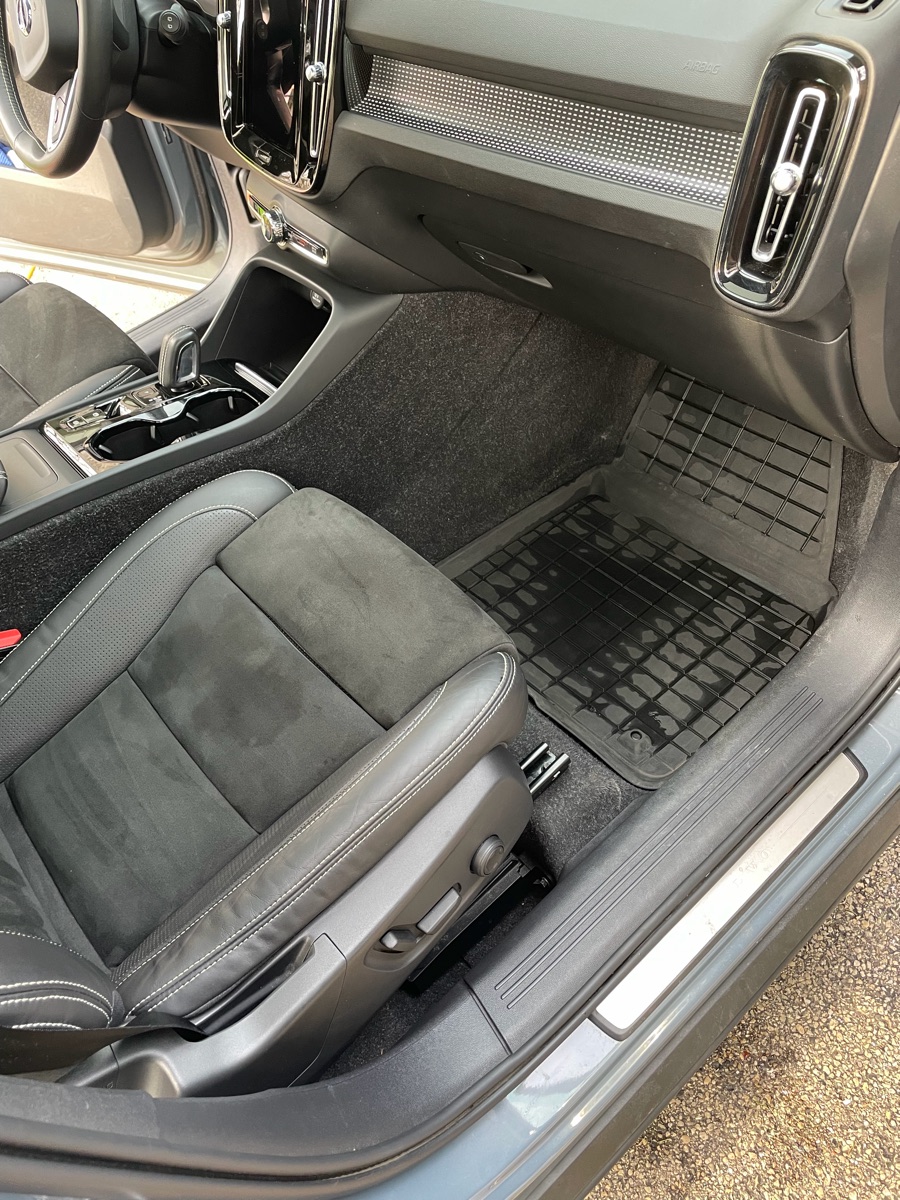
To clean a car before selling it, empty it completely, then clean it in the order a buyer will look: the smell first, then the seats, carpet and mats, the door jambs, the trunk and spare tire well, and the glass. Don't cover smells with air fresheners or heavy cleaners. The FTC tells buyers that a strong cleaner smell can mean someone is hiding a mold or odor problem. Fix what cleans up, and be upfront about what won't.
A clean car photographs better, shows better and gives buyers fewer reasons to talk the price down. Kelley Blue Book puts it simply: a cleaned and detailed car is worth more at trade-in than a worn and poorly maintained one. Here's how to do it so it actually helps, whether you're selling privately or trading in.
| Where | What buyers notice | What to do |
|---|---|---|
| The smell | The first thing they notice when the door opens | Find the source; don't cover it |
| Seats and carpet | Stains, pet hair, crumbs in the seams | Vacuum, then treat and extract stains |
| Under the mats | Dampness, stains, silt | Pull the mats; clean and dry the carpet |
| Door jambs and sills | Dirt everywhere they step in | Easy to miss; wipe them |
| Trunk and spare tire well | Water, rust, junk | Empty it, lift the floor, dry it |
Is it worth detailing a car before selling it?
Usually, yes, especially the inside. Buyers judge the whole car by how it looks and smells in the first minute. Crumbs, pet hair and a stale smell make people wonder what else was neglected, even when the engine is fine. Kelley Blue Book says a cleaned and detailed car is worth more at trade-in. It can't tell you how much more for your car, and neither can I, but a dirty interior is an easy reason for a buyer to talk the price down.
If you're trading in at a dealer, at least give it a thorough clean; Kelley Blue Book suggests considering a detail. A full professional detail pays off most on a private sale, where your listing photos and the first test drive do the selling.
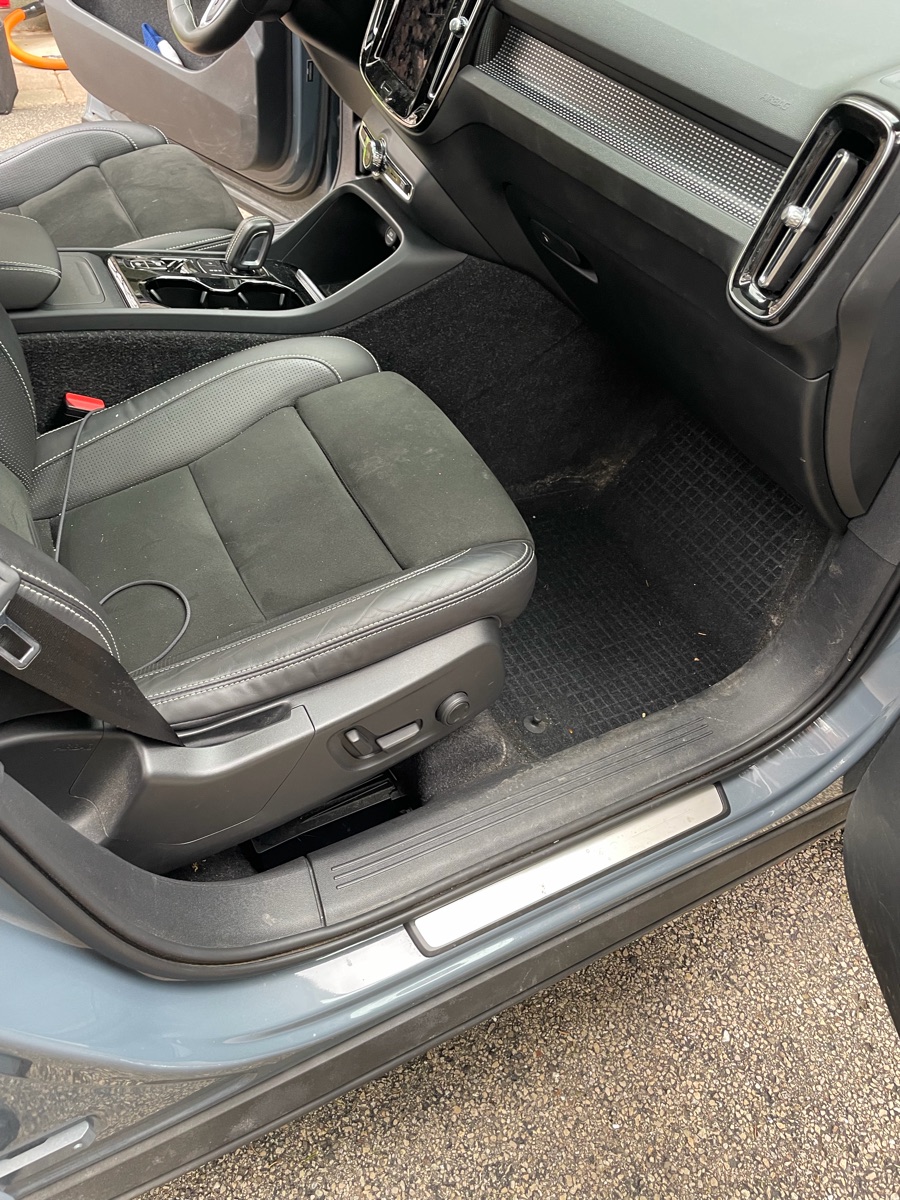
How to clean a car before selling it, step by step
- Empty everything. Glove box, console, door pockets, seat-back pockets, under the seats, the trunk and the spare tire well. Remove toll tags and parking stickers, and unpair your phone and garage door opener.
- Pull every floor mat. Clean them outside the car, and look at the carpet under them. The FTC tells buyers to look under the carpet and floor mats, so they will.
- Vacuum top down. Seats first, then the carpet, then the trunk. Slide each front seat all the way forward and back to reach the rails and the carpet underneath.
- Treat stains and pull them out. Spot-treat with a cleaner made for car upholstery (set-in ones may need heavy stain removal), then extract or blot so the stain and the cleaner both come out. My guide to getting stains out of car seats goes stain by stain.
- Get the pet hair. It hides in the seat seams and carpet weave. A rubber brush or glove pulls it up before the vacuum.
- Wipe every hard surface. Dash, console, cup holders, door panels and the steering wheel. Use a soft brush on vents and seams.
- Clean the door jambs and sills. Buyers see them every time they open a door, and they're easy to miss in a quick wash.
- Do the trunk properly. Lift the floor panel and check the spare tire well. The FTC tells buyers to look there for signs of water. If you find some, here's how to find the leak and dry the spare tire well.
- Glass last, inside and out, so you're not wiping dust back onto it.
- Wash the outside, wheels included, and take your listing photos the same day while it's clean.
If you'd rather not spend a weekend on it, an interior detail covers all six zones: seats, carpets and mats, the dash and console, doors and jambs, glass and the trunk. Pet hair and stain removal are always included. When I do one before a sale, I pull the mats, vacuum down to the seat tracks, steam and extract the seats and carpet, and wipe the door jambs, which are the same places the FTC tells buyers to check.
How do you get smells out before selling?
Find where the smell lives and clean that, because covering it backfires. The FTC tells used car buyers to do a smell test and warns that a heavy aroma of cleaners is a sign someone is trying to mask a mold or odor problem. A car that smells like a pine tree hanging over something else makes buyers suspicious, not comfortable.
- Smoke, pets, food or spills: the smell is soaked into the carpet, seat foam or headliner. It needs a deep clean, steam and extraction to come out. That's what car odor removal does: find the source, deep clean it, steam and extract, then an odor-neutralizing treatment. No perfume cover-up.
- Musty or damp: something in the car is wet. Buyers who read the FTC's flood car advice may suspect flood damage, so deal with it before you list. Find the water, dry it, and clean what it reached. If there's visible growth, that's car mold removal. Mold can come back if the water causing it isn't fixed, and a leak is a repair shop job.
If you're on the other side of this and just bought a car that smells off, here's what to check when a used car smells musty.
What won't come out (and what to do about it)
Some things look like stains and aren't. These usually won't fully lift with cleaning:
- Bleach spots, where the color is gone
- Burns, cuts and tears in the material
- Old dye transfer, like blue jeans on light leather
- Sun fading on the dash or seats
Don't spend money chasing them with harsher cleaners: they won't bring back missing color or fabric and can damage the material around it. Clean everything around them so the car looks cared for, and mention them in the listing. It's better for a buyer to hear about a flaw from you than to find it on their own. And skip brand-new floor mats or seat covers over damage: the FTC tells buyers that new carpet or upholstery in an older car can be a red flag.
If you're returning a lease rather than selling, the rules are different; see what to clean before a lease return.
Before you hand over the keys
Cleaning out the car is also when you find the things you need to keep or hand over: the title, maintenance records, the spare key and the owner's manual. Then check your state's rules on plates and reporting the sale before the buyer drives off.
Want it done before you list? I come to you on Chicago's North Shore or in Columbia, MO. Odor and heavy stain jobs are priced from photos: text a few of the seats, carpet and anything stained to 773-939-4446, or book a pre-sale interior detail. I need room around the car, a water spigot within about 150 feet and an outlet.
Questions
Should I detail my car before trading it in?
A good clean, at least. Kelley Blue Book says a cleaned and detailed car is worth more at trade-in than a worn one. A full professional detail matters most when you sell privately, where photos and the first test drive do the selling.
Does a clean car sell for more?
It sells easier and gives buyers fewer reasons to talk the price down. How much more depends on the car and the market, so treat any exact number with care.
Should I use air freshener before selling a car?
No. The FTC tells buyers that a heavy cleaner smell can be a sign someone is hiding a mold or odor problem. Remove the source of the smell instead.
What do buyers check inside a used car?
The smell, the seats and carpet, under the floor mats, the trunk and spare tire well, and whether the carpet or upholstery looks newer than the car. Most of those are on the FTC's checklists for buyers.
Sources
- Federal Trade Commission, Buyer beware: flood-damaged cars for sale (smell test; a heavy cleaner smell can mask a mold or odor problem; look under carpet, mats and dashboard and in the spare well; new carpet in an older car)
- Federal Trade Commission, Avoid a flood-damaged used car (smell of mold or strong cleaning products; loose, stained or mismatched carpet)
- Kelley Blue Book, Car trade-in tips (a cleaned and detailed car is worth more at trade-in)