How to Clean Leather Car Seats the Right Way
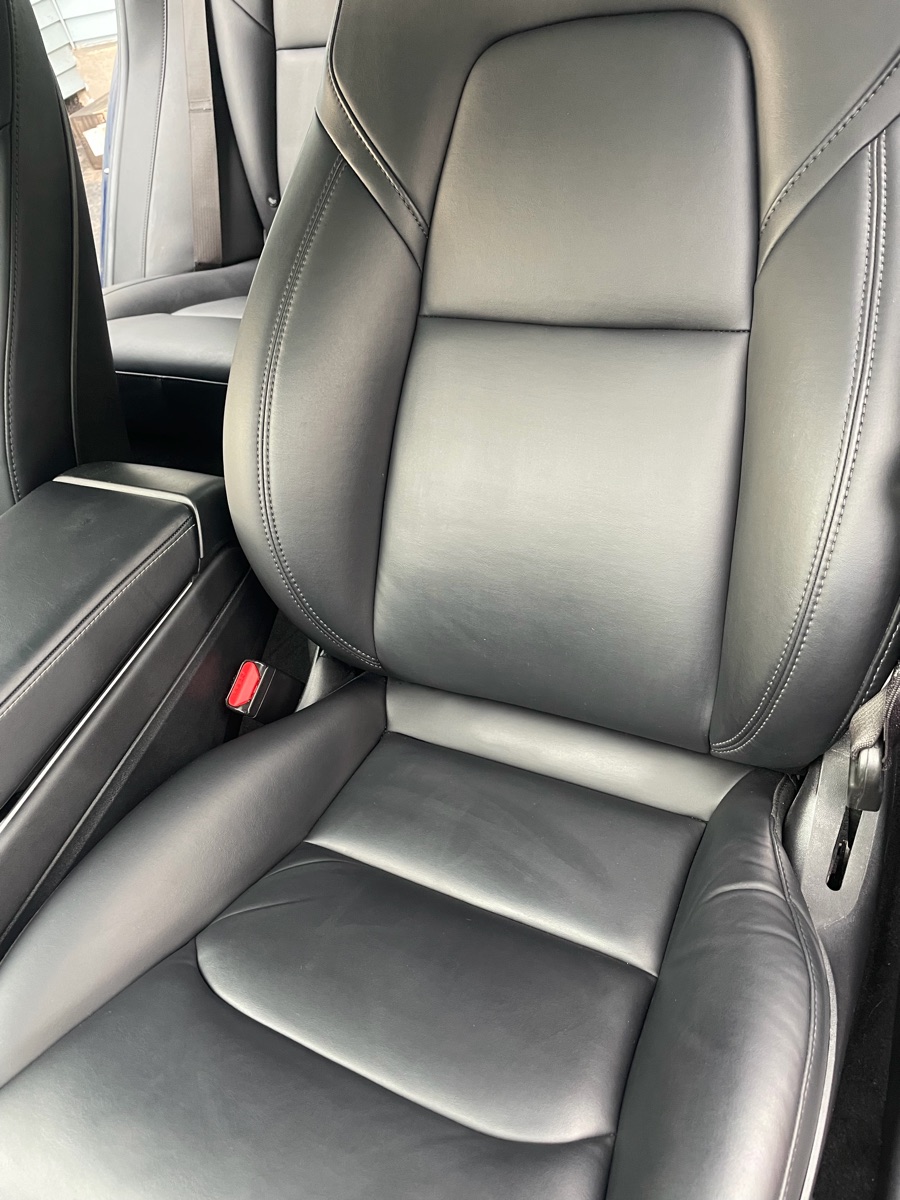
To clean leather car seats, vacuum them, then wipe them by hand with a soft cloth dampened in water and a little mild, neutral soap and wrung out well. Wipe again with a cloth wrung out in plain water, then dry the seat. Don't spray anything straight onto the leather, don't soak it, and skip alcohol, vinegar and harsh household cleaners. Carmakers like Lexus, Toyota and Hyundai say those can fade the color or damage the protective coating.
Most guides tell you to buy a leather cleaner, scrub the seams with a brush and finish with a conditioner. The companies that made your seats are more careful than that. Here's what their owner's manuals actually say, how to do it, and what cleaning can't fix.
| Do | Don't |
|---|---|
| Vacuum first, including the seams | Spray cleaner directly on the leather |
| Wipe with a wrung-out cloth and mild, neutral soap | Soak the seat or wipe with a dripping cloth |
| Wipe off with plain water, then dry | Use alcohol, vinegar or harsh household cleaners |
| Let it dry in the shade with air moving | Scrub with a brush or abrasive pad |
| Check your manual before using a conditioner | Assume every seat is real leather |
Check what your seats are made of first
Not every seat that looks like leather is the same material, and the right cleaner changes with it. Your owner's manual will say what you have. Toyota's manual, for example, gives two different mixes: about five percent neutral wool detergent in water for leather, and about one percent neutral detergent for synthetic leather.
Car leather also isn't bare hide. It has a factory protective coating, and that coating is what you're cleaning. Lexus warns that many commercial cleaners damage factory coatings with their solvents and propellants. Tesla's Cybertruck manual goes further for its synthetic "vegan leather": warm water and mild soap only, with other cleaners, conditioners and protectants not recommended. So before you buy a conditioner, check what your manual says about it.
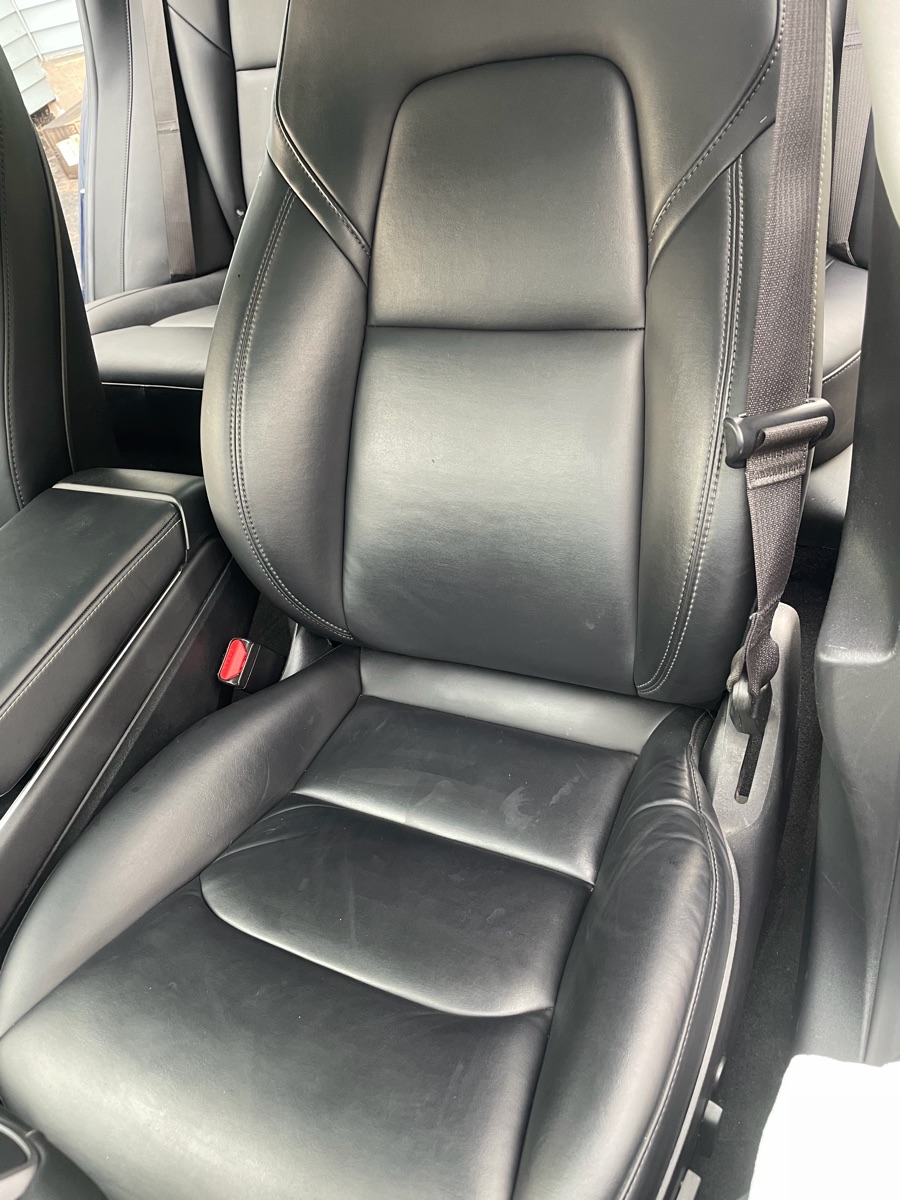
How to clean leather car seats, step by step
You need a vacuum with a soft brush attachment, three or four clean microfiber cloths, a bucket of water and a mild, neutral soap. That's it.
- Vacuum the whole seat. Kia's manual says to vacuum leather seats periodically to remove dust and sand. Kia says that prevents abrasion or damage to the leather. Use the crevice tool along the seams and where the back meets the bottom cushion.
- Try a hidden spot. The side of the cushion near the floor works. Wipe, let it dry and check the color.
- Mix a weak solution. A small amount of mild, neutral soap in a bucket of water. Use your manual's mix if it gives one.
- Wring the cloth out well. It should be damp, not wet. Toyota says to wring any excess water out of the cloth, and Hyundai and Kia warn that wiping with a wet cloth may cause the surface to crack. Never spray or pour onto the seat; Lexus says not to apply cleaners directly to the leather.
- Wipe one section at a time, with light pressure, turning the cloth to a clean side often. Work the seams by hand with the cloth. Lexus says no brushes or other mechanical cleaning, only hand cleaning.
- Wipe again with a cloth wrung out in plain water to take off any soap left behind.
- Dry it with a clean cloth, then let it air dry in the shade with the doors open. Toyota says to let leather dry in a shaded and ventilated area.
- Condition only if your manual allows it, and only once the seat is fully dry. Kia says to read the instructions and consult a specialist when using leather coatings or protective agents.
How often? Toyota recommends cleaning the interior at least twice a year. A quick vacuum between cleanings keeps sand and dust off the seats.
What not to use on leather car seats
- Alcohol and alcohol-heavy wipes. Hyundai says high alcohol solutions can fade the color. Toyota lists alcohol among the things not to use on seats, and Tesla says aggressive or extended use of isopropyl alcohol damages the top coat.
- Vinegar mixes. Some guides recommend them. Vinegar is an acid. Toyota says not to use acidic or alkaline solutions on seats, and Hyundai says acid or alkaline detergents can fade the color.
- All-purpose and household cleaners. Lexus says many commercial cleaners damage factory coatings.
- Brushes, scrub pads and magic erasers. Lexus rules out mechanical cleaning other than by hand.
- A dripping cloth. Hyundai says not to wet the seat at all.
Perforated and light colored seats
Perforated seats have small holes in the leather, and liquid that gets into them is slow to dry. Keep the cloth barely damp, wipe across the holes instead of pressing into them, and dry right away. A seat that stays damp inside can start to smell musty. If you already see spots in the holes, read how to clean mold on leather car seats instead of this routine, or see car mold removal.
Light colored leather shows everything. Hyundai notes that light colored (beige and cream beige) leather is easily contaminated and the stain is noticeable. Clean it more often, and deal with spills the same day. For gum, Hyundai's tip is to harden it with ice and remove it gradually.
What cleaning won't fix
Some marks aren't dirt, and no cleaner brings them back:
- Dye transfer from jeans or bags on light leather, once it's set. Lexus describes dye transfer as happening to the protective coating, and notes that seat covers replaced for dye transfer or soiling aren't covered under its warranty.
- Sun fading on the tops of the seats and bolsters.
- Stains in the stitching, which can stay marked after a full clean.
- Cracks, burns and scuffs through the color. That's damage to the material, not dirt.
Scrubbing harder at these strips the protective coating, which Lexus warns against. For stains that are actually dirt, like coffee, grease or ink, my guide to getting stains out of car seats goes stain by stain, and set-in stains are what my heavy stain removal service is for.
When I clean leather on an interior detail, it's by hand with leather-safe cleaners and a gentle touch, then conditioner, as part of the whole interior: seats, carpets and mats, the dash and console, doors and jambs, glass and the trunk. I'll tell you before I start which marks will come out and which won't. If you're getting the car ready to sell, see how to clean a car before selling it. Text a few photos to 773-939-4446 or book an interior detail; I need room around the car, a water spigot within about 150 feet and an outlet.
Questions
Can you use soap and water on leather car seats?
Yes, that's what carmakers recommend: a mild, neutral soap in water on a cloth that's wrung out well, then a plain water wipe and drying. Don't soak the seat.
Can I use vinegar or baby wipes on leather car seats?
Skip vinegar. It's an acid, and Toyota and Hyundai warn against acidic solutions on seats. Many wipes contain alcohol, which Hyundai says can fade the color. Check the label, or use a damp cloth with mild soap instead.
Should I condition leather car seats?
Check your owner's manual first. Some cars allow it, and Kia says to consult a specialist when using leather coatings or protective agents. Tesla's Cybertruck manual doesn't recommend conditioners on its vegan leather.
How often should I clean leather car seats?
Toyota recommends cleaning the interior at least twice a year. Vacuum more often, and clean spills and light colored seats right away.
How do I know if my car seats are real leather?
Your owner's manual will say. Many manuals list leather and synthetic leather separately, and Toyota gives a weaker soap mix for synthetic.
Sources
- Lexus, Technical Service Bulletin L-SB-0014-16, Leather Care Best Practices (hand clean with water and mild detergent; don't apply cleaners directly; commercial cleaners can damage coatings; no brushes; dye transfer and soiling not covered)
- Toyota, 2025 Tacoma owner's manual, cleaning the interior (about five percent detergent for leather, about one percent for synthetic; wring out the cloth; dry in shade; clean at least twice a year; no acidic or alkaline solutions or alcohol on seats)
- Hyundai, Owner's manual, interior care (neutral detergents; high alcohol can fade color; don't wet the seat; light leather stains easily; gum and ice)
- Kia, Owner's manual, taking care of leather seats (vacuum periodically; avoid a wet cloth; consult a specialist on coatings)
- Tesla, Cybertruck owner's manual, interior cleaning (warm water and mild soap; no other cleaners, conditioners or protectants; aggressive or extended use of isopropyl alcohol damages the top coat)